Why Use a Color Corrector?
Ever feel like your concealer isn't doing enough (redness peeks through, dark spots dulling your look)? Color corrector could be the missing step taht levels up your routine.
Meet the ONE/SIZE Ultimate Color Corrector Stain: a fast-setting, waterproof color corrector build to neutralize discoloration, visibly brighten skin, and stay put for up to 12 hours.
What Is Color Correcting?
Color correction uses color theory to neutralize specific skin concerns, usually when you apply your base. In this case, it goes on between your skin care and foundation. Ultimate Color Corrector targets visible discoloration at the source (your skin) so your complexion products don't have to work as hard.
The logic is simple: colors that sit opposite each other on the color wheel cancel each other out. Green cancels red. Peach and orange cancel blue and purple. Pink and lilac visibly brighten. The right shade applied to the right area visually neutralizes your skin concerns instead of just covering them.
And with a stick formula that blends easily and sets quickly, Ultimate Color Corrector Stain is genuinely beginner friendly. You don't need a lot of product or technique, and the results speak for themselves.
Which Color Corrector Shade Do You Need?
Not all skin concerns are the same, and that's why the ONE/SIZE color corrector comes in six targeted shades. Here's a breakdown of what each shade is for.
When to Use a Green Color Corrector

If redness is your main concern — like rosacea, blemishes, or skin irritation that shows through your base — Matcha is your shade. Green sits directly opposite red on the color wheel, which means it neutralizes the appearance of redness on contact. Apply it directly to areas of redness before your foundation and watch how much less your base has to do.
If you're skeptical about the color, don't worry: it doesn't read green on your skin. It just cancels what you don't want to see.
When to Use a Pink Color Corrector

If your skin looks dull, flat, or like it needs a wake-up call, a pink color corrector is the move. Pink tones add brightness back into skin for a healthy-looking appearance without adding shimmer or visible color.
The ONE/SIZE color corrector in Baby Pink is ideal for fair to light skin tones. It's a subtle correction that makes a huge difference.
When to Use a Peach Color Corrector

Peach correctors are your answer to dark circles. If you have blue or purple under-eye circles, Ultra Peach will neutralize their appearance before your concealer goes on. Rich Peach helps knock out deeper blue, grey, or purple tones.
When to Use a Salmon Color Corrector

For dark spots of hyperpigmentation concealer doesn't cover, reach for Pink Grapefruit. The salmon-pink tone helps neutralize the look of uneven pigmentation in tan-to-deep skin tones while also adding brightness.
When to Use an Orange Color Corrector

Deep dark spots — and deeper skin tones — need a corrector with a little more depth. With a warm orange tone, Sunset was created specifically for this, bridging the gap between a standard corrector and a concealer.
How to Apply Color Corrector
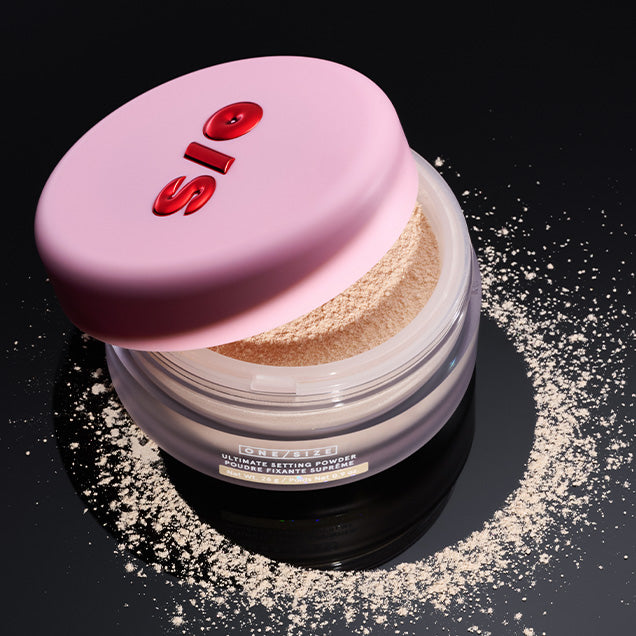
 Use Ultimate Color Corrector Stain after your skin care and before your base. A little goes a long way. Dot the stick directly onto the area you want to correct, blend out the edges with a fingertip or brush, and wait about 30 seconds before applying foundation or other base products. Build your base on top, then lock it all in with Ultimate Blurring Setting Powder and your favorite ONE/SIZE Beauty setting spray.
Common Color Correcting Mistakes to Avoid
-
Applying too much. Less is more with ONE/SIZE color corrector. It’s highly pigmented, so start small and build as needed. And always apply under foundation, never over it.
-
Applying it all over. Ultimate Color Corrector sets quickly, which means you have a few seconds to blend the edges before it dries. Color correcting one concern at a time so you can fully blend each area before moving on to the next.
-
Not letting it set. Don't skip the 30-second wait. This is key for all-day, waterproof color correction that won’t budge.
-
Using the wrong shade. Make sure the shade you choose is appropriate for both your concern and your skin tone.
-
Blending too much. The goal is to diffuse the edges, not the color itself. If you can still see it before your base goes on, that’s a good thing.
- Letting the stick dry out. To maintain the stick's blendable consistency, always put the cap back on after use. When you hear the click, that means it's fully closed.
- Forgetting about skin prep. Your skin care can affect the finish of the corrector. If you prefer a matte finish, avoid heavy moisturizers and other dewy-finish skin care.
What is the Best Color Corrector?
The Ultimate Color Corrector Stain is built to stain your skin and stay put, not blend away before your base even goes on. It’s waterproof, sweatproof, smudgeproof, and transferproof for up to 12 hours — available in size targeted shades for every concern. Your missing step between skin care and foundation, perfected.